


We visited the genocide museums of Cambodia. And I am thankful that we don't have such a thing at home. Though I suppose the closest thing would be the War Museum. The stories and history that accompany these places is eery and speaks of the utter destruction of lives, culture,art, religion and community. Perhaps this was all made even worse because the damage was done by and to their own people.
In an attempt to level the playing feild and create their version of a perfect society the leaders of the Khmer Rouge gave the command to kill all skilled people and their families. To simply kill them was too easy, instead they created the worst and most terrible way to interrogate and torture them first and then equally devasting ways to end their lives, often in the presence of those they loved.
If you were not murdered it was quite possible that you might have wished that you were. The people were forced to leave the capital and return to their home villages out in the country. Hard, physical labour was demanded from everyone. Long working hours were expected with very little food. People were given jobs such as digging water canals and rice farming, but they didn't know how to do them and few were left to teach them. Anything even vaguely perceived as disobedience was not tolerated.
Have you ever been to a place where you feel or sense something so great? In the high school turned prision, the laughter of students was cut short and is now replaced with the emptiness. As you wander through the classroms turned into cells, the photographs of the prisoners do much to iluminate the conditions there. In the space known as the Kiling Fields only birds and local traffic break the silence there. The grassy mass graves are slowly being filled in by the rain and years of erosion - but not before the remains of bones and clothes have been removed, to be used as the focal point for the huge monument there.
Hearing the stories of friends of my aunt has put a very personal touch on the recent tradegy (late 70's). Each day as we drop my cousin off at school we travel streets where people beg, have no clothes, sniff glue etc. These are not the back street either, it is the main road. The faces of the people express a mix of emotions from fear and distrust to the occasional glimmer of hope.
There are two ways one can take what is seen and heard; to withdraw and see no value or joy, or to take hold of the faint ray of hope. The examples of moving forward are found in those that grasp for the hope that tomorrow will be a new and different day.
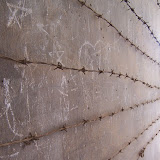 |
| Memorials of Khmer Rouge Genocide |


No comments:
Post a Comment